


A COVID-19 Call to Arms for Gift Planners
As estate planning surges in the US and donors require high-touch support to navigate this unique moment, savvy nonprofits are doubling down on gift planning in 2020.
Right now, gift planners are combining their dual abilities to nurture deep personal relationships and explain more complicated giving vehicles to help steer nonprofit organizations through the current storm. We’d like to remind you of a few facts about planned gifts that challenge the “cash is king” mentality that nonprofit leaders often fall back to during economic downturns.
Topics: News
 Alan Alda, 7-time Emmy Award–winner, played Hawkeye Pierce and wrote many of the episodes on the classic TV series M*A*S*H, the final episode of which was seen by more than 105 million people, still a record audience. Alan has starred in, written and directed many films, and was nominated for an Academy Award for his role in The Aviator. He has appeared in continuing roles on ER, The West Wing, 30 Rock, The Blacklist, Horace and Pete, CBS’s new streaming series The Good Fight, and a recurring role on Showtime’s Ray Donovan. Alan is the recent recipient of the Screen Actors Guild (SAG) Lifetime Achievement Award and he is currently starring in the new Noah Baumbach film, Marriage Story, with Adam Driver and Scarlett Johansson.
 Dr. Laura Lindenfeld is Director of the Alan Alda Center for Communicating Science and Dean of the School of Journalism at Stony Brook University. She holds a Ph.D. in cultural studies from the University of California, Davis. As the Alda Center Director, she oversees a dynamic organization that has trained over 15,000 scientists and health professionals worldwide and introduced over 40,000 to the Alda Method®. The Alda Center provides international leadership in conducting and connecting research and practice to advance clear and vivid science and medical communication. As a communication researcher, her work draws inspiration from the idea that we can make better, more informed decisions about how we shape our collective future. She is passionate about supporting scientists to communicate their work in more direct and engaging ways. Her work focuses on how we can advance meaningful, productive interactions with communities, stakeholders and decision-makers by strengthening linkages between knowledge and action. Much of Laura’s research focuses on environmental and sustainability communication. Her work seeks to understand how we can support effective stakeholder engagement and build strong interdisciplinary teams and communicate our science more effectively and persuasively. Laura’s work has appeared in a range of journals such as Science Communication, Ecology & Society, Environmental Communication, Sustainability Science, Communication and Critical/Cultural Studies, and Food & Foodways. Feasting Our Eyes. Food Films, and Cultural Identity in the United States (2016), her co-authored book with Fabio Parasecoli, was published by Columbia University Press.
Senate Passes HR 748: COVID-19 relief package
On March 25 the Senate approved a $2 trillion aid package (HR 748) to address the economic fallout from the COVID-19 (Coronavirus) pandemic by a 96-0 vote. The bill, which is the third legislative relief package to address COVID-19, now goes to the House where Speaker Pelosi has said it will be taken up Friday “with strong bipartisan support.” President Trump has indicated he will promptly sign the measure into law when he receives it.
Topics: Advocacy & Legislation Updates
April 2, 2020 - Advocacy Update
Hear from your Peers: Top Reasons to Attend CGP Conference
We know that CGP Conference is a valuable event for those who attend and we’re confident that, by joining us, you’ll find resources and strategies to use right away. But don’t take our word for it! Check out what 2019 attendees said in the post-conference evaluation.
5. It’s about the experience. “This was a great conference. I think there’s a ‘warm and friendly’ factor in the planned giving community and that helps to make the conference so enjoyable.”
Topics: CGP Conference
Test Blog 2
Submitted by kturner on Mon, 03/09/2020 - 15:00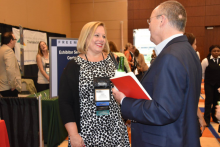
You are convinced that you want to attend CGP Conference, and we really want you there; now it is time to convince your boss! You have to make a bold case for the return on investment – every dollar has to be justified, and so does the time away from the office. But don’t worry, we’ve got you covered.
Here is a bit of tactical advice on getting your manager to send you to CGP Conference: It’s not about you. It’s about how your organization, team and gift planning program will benefit from the information and insights you’ll gain.
READY: